

Stepping Before the AI Revolution: What's Singapore's Position and What's Next
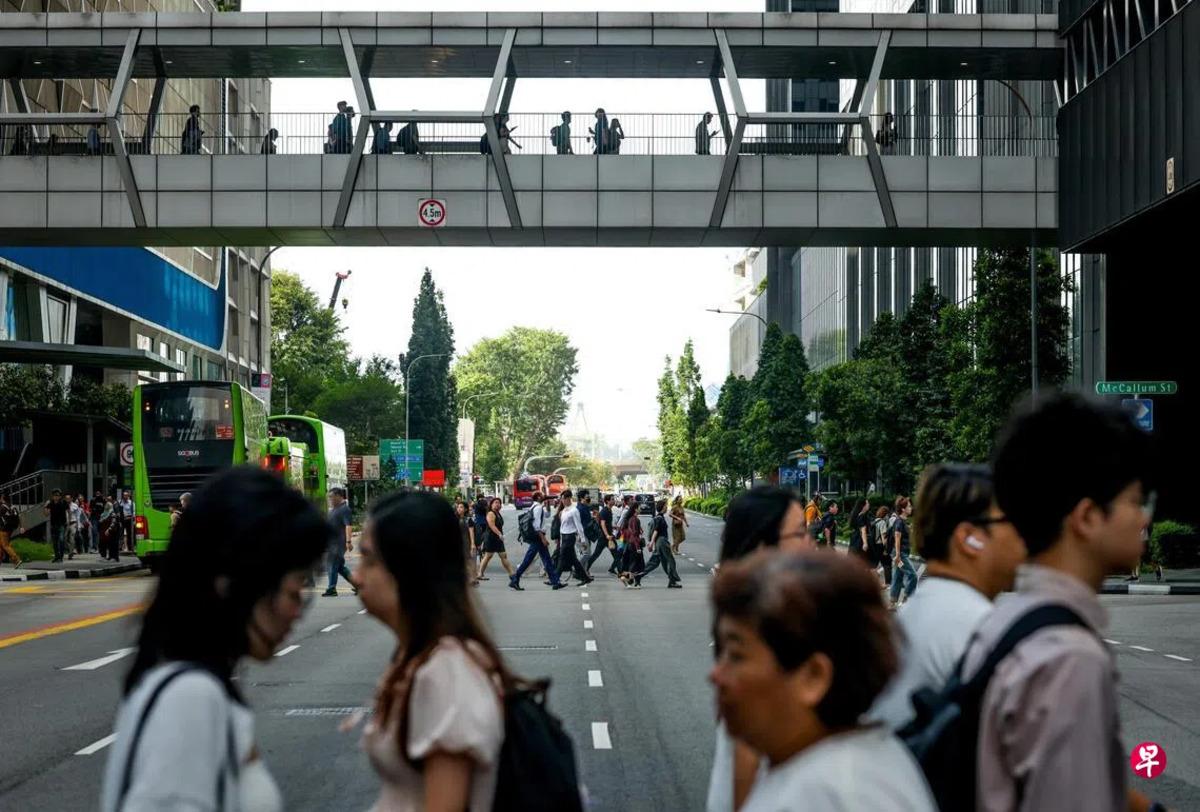
In a commentary, SMU Dean of the School of Economics & Lee Kong Chian Professor of Economics Li Jia, and Pillar Lead for SMU’s Resilient Workforces Institute (ResWORK) examines how Singapore can position itself to lead in the age of artificial intelligence, arguing that AI transformation is not merely a technological challenge but a broader test of how effectively economies align workforce policy, education systems and institutional coordination. While Singapore has laid strong foundations through initiatives such as SkillsFuture and tripartite workforce mechanisms, he identifies several areas that warrant deeper attention, including shaping AI to augment rather than replace human capabilities, safeguarding pathways for fresh graduates, embedding lifelong learning as a societal norm, and strengthening early coordination between government and industry. His central argument is that Singapore’s long-term advantage will lie not in resisting technological disruption, but in ensuring workers are continually equipped to adapt, evolve and move up the value chain.
Source: Article from SMU News / Lianhe Zaobao (7 May 2026)
Featuring: Professor Li Jia (Pillar Lead, Maximising Societal Human Capital)